Start with the route, not just the rack
- What surfaces will the truck cross from pickup to placement—sealed slab, dock plates, ramps, or compacted gravel?
- Are there doorways, tunnels, or elevators that cap overall height or width?
- How tight are the aisles and turnarounds near storage or production lines?
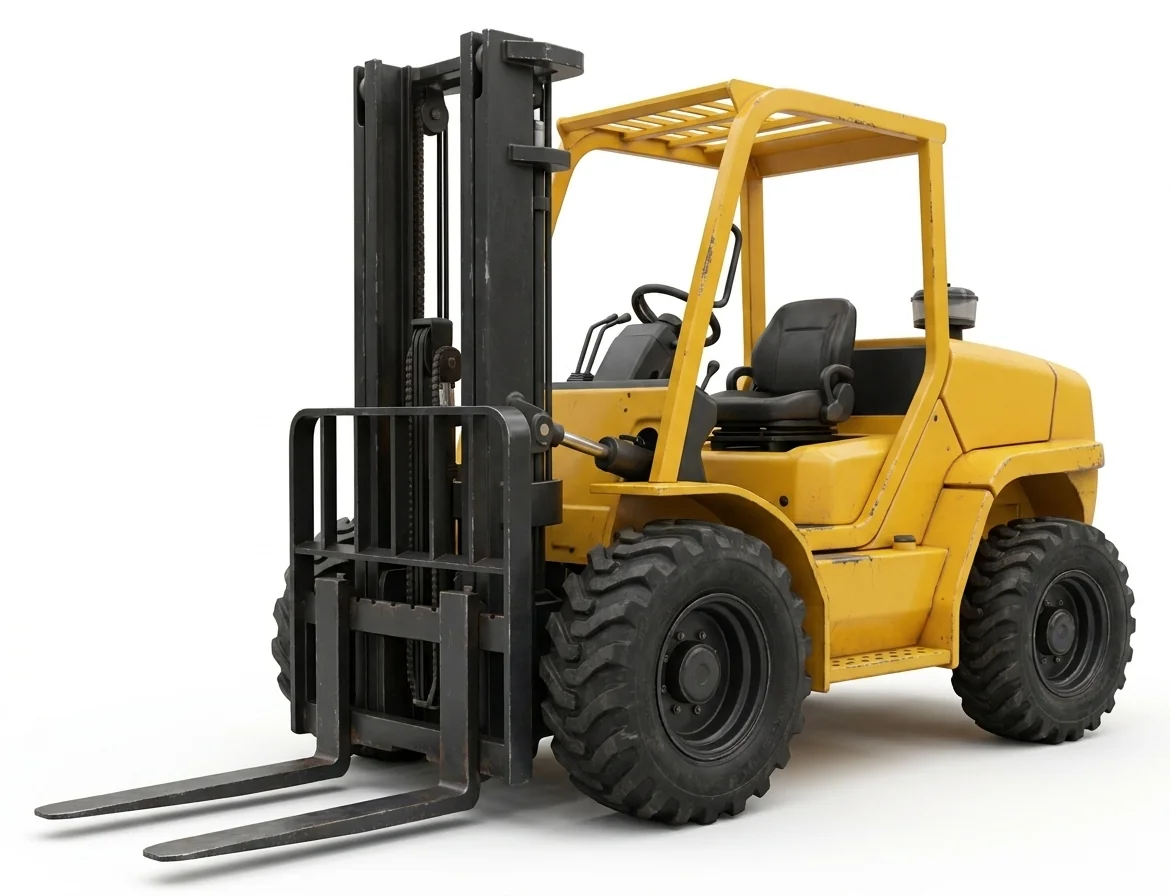
A forklift that fits the narrowest point on the route is the one that completes the job. Map the path before focusing on mast height or attachments.
Raleigh conditions that matter
Moisture-retaining clay around exterior yards and construction-adjacent warehouses can shift under wheels after rain. Indoors, humid stretches can condense on smooth floors and dock equipment. Those factors influence tire type, braking expectations, and acceptable slopes. Actual site rules and the forklift’s instructions govern limits.
Narrow by load and height
- Load size and center of gravity: Long pallets or awkward crates may reduce rated capacity at the required lift height.
- Lift height and mast type: Low door headers may favor a shorter collapsed mast or a design that freelifts under mezzanines.
- Power source: Electric units suit enclosed spaces and air-sensitive areas; internal-combustion models align with ventilated or outdoor work.
Common Raleigh use cases
- Local distribution buildings: Frequent dock work, tight turns, and repeated rack placements.
- Institutional facilities: Quiet, low-emission movement of supplies and equipment on finished slabs.
Related categories
- For elevated personnel work once materials are staged, see /electric-scissor-lift-rental/ or /vertical-mast-lift-rental/.
- For rough exterior moves or long placement reach, compare /telehandler-rental/.
Call (984) 223-8101 or visit raleighscissorliftrental.com with route measurements, door sizes, and load details to align on a forklift type.