Define the placement problem first
- What is the load weight at the fork tips, and at what height and horizontal reach must it be set?
- Can the machine approach head-on, or must it offset around a barrier like a curb or foundation?
- Is there room to stage loads on firm ground before final placement?
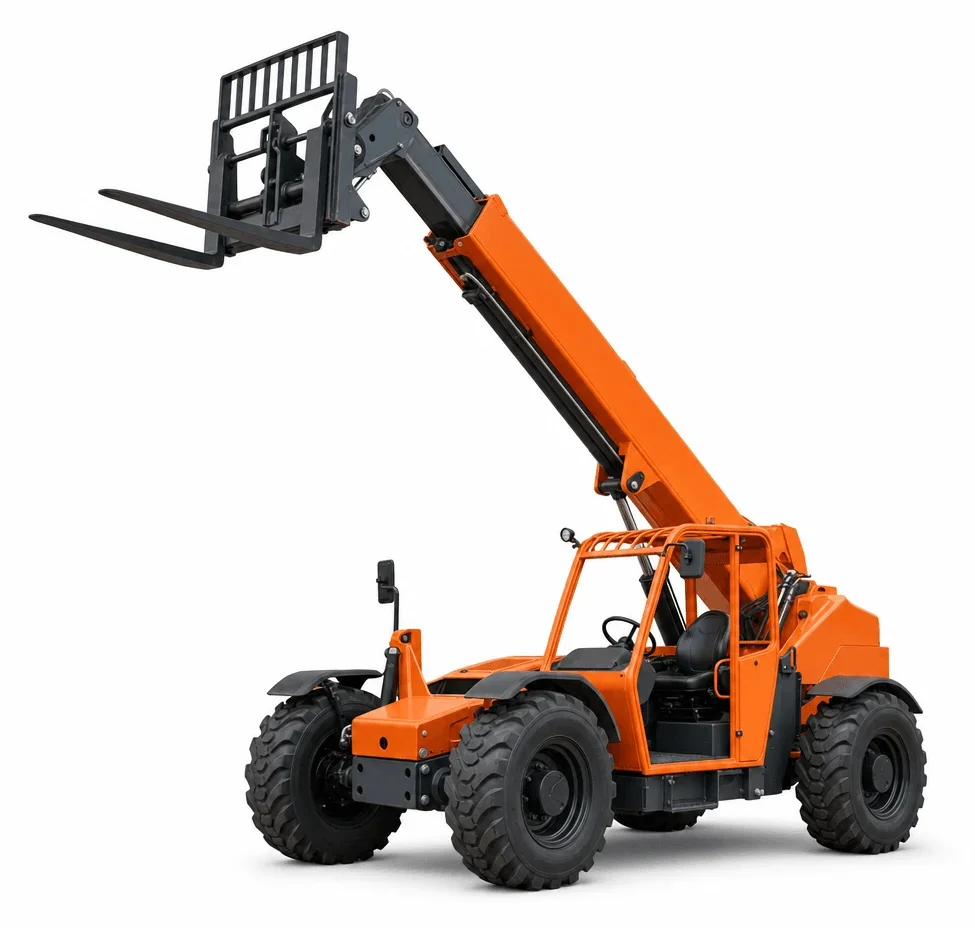
Telehandler capacity changes as the boom extends. Knowing the required place-on point and approach angle narrows models quickly, especially for multi-story framing or rooftop equipment handoffs.
Raleigh terrain and weather considerations
Compacted clay common to the region can handle traffic yet hold moisture that turns slick on top. After rainfall, mixed conditions—firm in one spot, soft nearby—are common on new pads and utility corridors. That variability influences tire selection and acceptable turning areas. Actual site conditions, the telehandler’s instructions, and job procedures set the limits.
Key constraints to sort early
- Load geometry: Pallet length, center of gravity, and rigging clearance change effective reach.
- Height vs. reach tradeoff: Check the load chart at the exact combination you need, not just maximum ratings.
- Chassis size and turning: Urban infill sites restrict approach lanes; wider machines may need a different staging plan.
- Ground bearing: Staging on uniform, compacted surfaces reduces surprises during final extension.
Where telehandlers fit in Raleigh’s work mix
- Downtown and mid-rise projects: Feeding decks, placing exterior panels, and moving materials across changing grades.
- Industrial and logistics sites: Loading bays and yard moves between storage and install areas.
Related material handling and access
- For personnel access to elevated work once materials are placed, consider /telescopic-boom-lift-rental/ or /articulating-boom-lift-rental/.
- For enclosed warehouse moves and pallet work, see /forklift-rental/.
Call (984) 223-8101 or visit raleighscissorliftrental.com to review load, reach, and staging details before you commit to a specific telehandler size.