Start with load, distance, and runtime
- Electrical needs: note continuous and peak loads for tools, lighting, and temporary HVAC. Oversizing for brief surges can reduce nuisance trips.
- Distance and voltage drop: longer cable runs across large pads or between buildings at local industrial sites may require thicker conductors or higher-output units to keep equipment within spec.
- Runtime window: night pours and shift turnovers set refueling intervals. Access windows at downtown sites can limit service opportunities, so tank size matters.
Surface and placement in Raleigh conditions
Moisture-retaining clay can soften after rain. A generator or tower set near excavation edges or on uncompacted fill may tilt. Verify a firm, level pad area large enough for the unit’s footprint and any stabilizers. If the lighting task is elevated façade work, consider whether the tower can sit below the task line without glare or shadow from scaffolds or lifts.
Light coverage and mast constraints
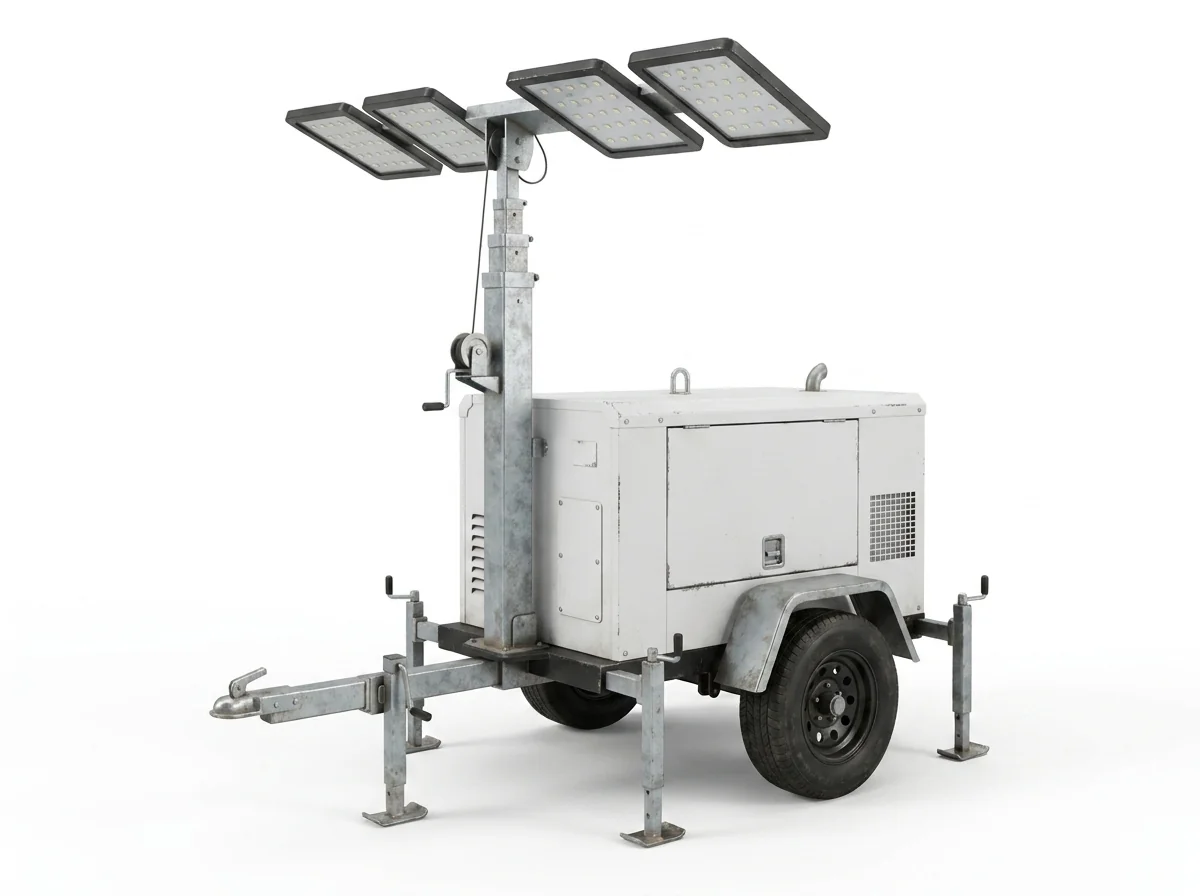
- Mounting height and beam spread determine whether one tower can cover a staging zone or if multiple placements are needed around obstacles.
- For interior work in labs or clean-adjacent spaces, portable electric lighting powered by an exterior generator keeps exhaust and noise outside. Assess door widths and elevator sizes if lights must travel through finished corridors.
Coordination with aerial access
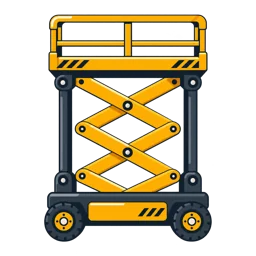
If scissor or boom lifts will work after dark, plan light placement so masts and beams do not blind operators at height. For indoor elevated maintenance, quiet electric lighting and shore power may pair well with an electric scissor lift. Exterior night work on uneven ground may require rough-terrain scissor lifts or boom lifts and towers positioned outside their travel arc.
Access route and noise considerations
- Downtown access often means alley drops and shared loading docks. Confirm turning radius and curb weights for the power unit.
- Near offices or research facilities, plan for noise-sensitive hours; larger units operating at partial load can sometimes meet needs at lower RPM, subject to model specifications.
Quick planning checklist
- Total kW and peak load profile
- Longest cable run and allowable voltage drop
- Ground firmness and level area for the unit and mast
- Required light levels at task height and distance
- Refueling window and site access constraints
Actual conditions, equipment instructions, and site procedures govern exterior and elevated work after dark.
For a broader look at site support around aerial tasks, see Lift Equipment & Site Products.