Start with access geometry
- Delivery path: note curb cuts, overhead lines, gate widths, dock heights, and the turning space for the delivery truck.
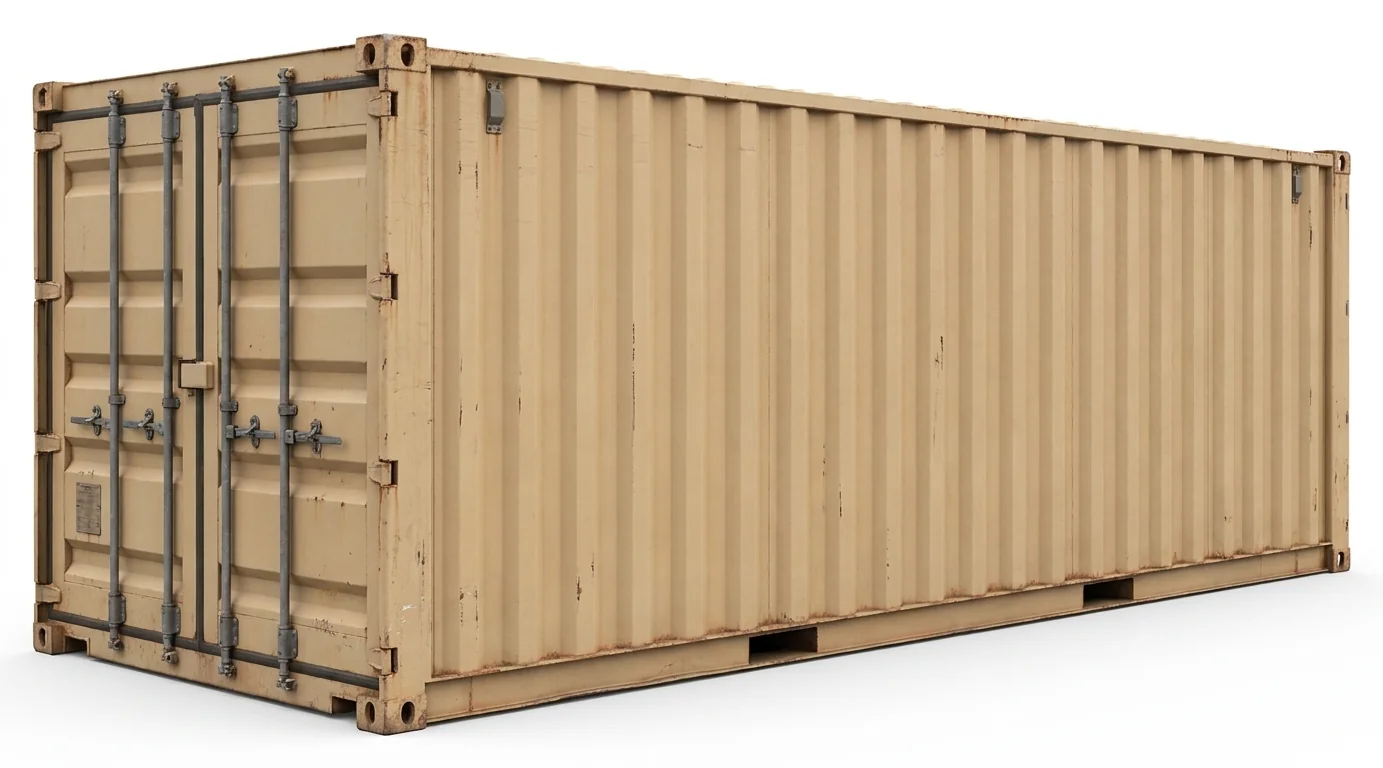
- Door approach: containers used for parts or PPE should face a clear aisle wide enough for carts or pallet jacks without reversing onto live traffic.
- Height constraints: overhangs and low-clearance entries near renovations can limit where taller units can land.
Surface and placement on Raleigh soils
Clay that compacts easily can become slick after rainfall. A container set on soft or uneven ground may twist, affecting door alignment and floor level. Identify a firm, level pad large enough for the full footprint plus service clearance. For long placements near landscaped areas, allow drainage away from doors to reduce tracking mud into interior work zones.
Size, layout, and contents
- Length and layout: match material lengths and handling method. Long stock for buildouts fits better in 40-foot layouts; job boxes and small parts can suit shorter units positioned closer to the workface.
- Floor loading: concentrated loads from tool cribs or battery charging stations require attention to point loads and ventilation needs along the aisle.
- Security and visibility: on sites with mixed trades, sightlines to the door and adequate lighting reduce congestion around shift changes. See Generators and light towers if night access is expected.
Coordination with lifting equipment
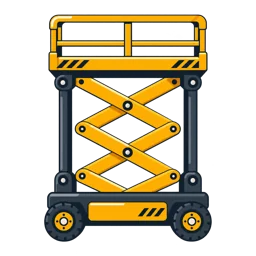
If materials move directly from a container to an elevated task, consider the staging triangle: container, lift pick point, and workface. For indoor picks in local industrial sites, forklifts and vertical mast lifts often work within tighter aisles. Exterior picks to upper floors may involve a telehandler or boom lift, with the container positioned outside their swing or travel paths.
Quick planning checklist
- Delivery route geometry and landing space
- Pad firmness and level across the entire footprint
- Door orientation to aisles and weather exposure
- Contents weight, length, and ventilation needs
- Night access and lighting near the door
Exterior staging and elevated transfers must follow site procedures and equipment instructions at all times.